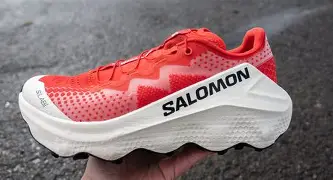
Biggest Salomon S Lab Ultra Glide Buying Mistakes (And How to Avoid Them)
The Salomon S Lab Ultra Glide attracts attention for a reason. It sits in the premium performance tier, carries a strong trail-running identity, and appeals to buyers who want a highly capable shoe for long-distance comfort, protection, and speed over mixed terrain. Yet many shoppers still make the same avoidable mistakes when choosing it. They buy based on the brand name alone, assume all Salomon models fit the same, misunderstand what kind of trail and distance the shoe suits best, or overlook how cushioning, rocker geometry, and upper structure affect real-world use.
For buyers browsing the Electronics category of modern retail platforms, performance footwear often appears alongside smart fitness gear, wearables, and connected training accessories. That can encourage a feature-comparison mindset focused on specs and buzzwords rather than fit, use case, and durability. In reality, the biggest buying errors come from treating the Salomon S Lab Ultra Glide like a generic premium trail shoe instead of a specialized tool with a specific ride character.
This article breaks down the most common Salomon S Lab Ultra Glide buying mistakes and explains how to avoid them. It also covers who the shoe tends to suit, where it performs best, what trade-offs buyers should expect, and how it compares with other trail-running priorities such as grip, stability, weight, protection, and long-run comfort.
What the Salomon S Lab Ultra Glide Is Designed to Do
The Salomon S Lab Ultra Glide is generally understood as a performance-oriented trail shoe aimed at runners and outdoor users who want a smooth, cushioned, long-distance ride without giving up the agility expected from a high-end trail model. Buyers are often drawn to it for ultra-distance events, marathon-length trail outings, fast hiking, and training days where leg fatigue matters as much as raw speed.
Its appeal usually comes down to several practical priorities:
- Long-run cushioning that helps reduce repetitive impact stress over hours on trail
- Protective design for uneven surfaces, loose rock, and changing terrain
- Responsive geometry that encourages forward motion rather than a flat, sluggish ride
- Premium upper construction intended to balance foothold, breathability, and reduced hot spots
- Serious trail identity for buyers who want race-capable performance, not just casual outdoor styling
That said, the shoe is not automatically the right choice for every runner, hiker, or all-day walker. The problems start when buyers confuse premium with universally suitable.
Detailed Salomon S Lab Ultra Glide Analysis
Ride and Cushioning
One of the main reasons buyers consider the Salomon S Lab Ultra Glide is underfoot comfort. In long trail sessions, especially on hard-packed dirt, fire roads, dry singletrack, or rolling mixed-terrain routes, a cushioned platform can make the difference between finishing strong and simply surviving the last hour. The Ultra Glide concept is typically associated with a smoother, more forgiving ride than stripped-down, low-profile race shoes.
For real-world buyers, that matters in several common scenarios:
- A runner training for a 50K who needs enough protection for back-to-back long runs
- A traveler packing one trail shoe for hiking, jogging, and light exploration
- An experienced road runner transitioning into trail running and worried about harsh terrain impact
- An ultrarunner prioritizing comfort and foot preservation over a razor-sharp, minimal ride
The mistake is assuming more cushioning always means better performance. Extra softness can feel excellent in the first few miles, but buyers should think about how it affects stability on technical descents, cornering confidence, and ground feel. For some users, especially those who prefer a precise, lower, more connected ride, heavily comfort-oriented trail shoes can feel less exact on rocky or awkward terrain.
Fit and Upper Feel
Fit is where many Salomon purchases succeed or fail. Buyers often assume that if they have worn one Salomon shoe before, they already know how the S Lab Ultra Glide will fit. That is risky. Even within the same brand, shape through the forefoot, midfoot hold, arch sensation, toe-box volume, and heel security can vary significantly.
The S Lab line also tends to carry expectations of a more performance-focused fit. That can be excellent for runners who want a secure foothold over uneven terrain, but it can become a problem for buyers with wide forefeet, sensitive bunions, swelling during long efforts, or a preference for relaxed toe splay. A shoe can be technically excellent and still wrong for a specific foot shape.
In practical use, upper fit matters most when:
- Feet swell after two or three hours on trail
- Downhill sections force toes toward the front of the shoe
- Off-camber terrain exposes weak midfoot lockdown
- Wet conditions increase friction and blister risk
- Thicker socks are needed for cold-weather runs or mountain starts
Many buying regrets come from trying the shoe on briefly indoors and mistaking “snug” for “performance-ready.” A truly good trail fit should feel secure without creating pressure points that become painful after sustained movement.
Traction and Terrain Use
Another common buying error is failing to match the shoe’s traction profile and ride design to the intended terrain. Buyers often shop from a broad category page and compare only star ratings, cushioning descriptions, and weight claims. But terrain compatibility is one of the most important parts of trail-shoe value.
For many users, the Salomon S Lab Ultra Glide makes the most sense on moderately technical to mixed terrain, especially when the goal is sustained comfort and momentum. It may be an excellent fit for rolling routes, dry dirt, gravelly climbs, race courses with long runnable sections, and all-day mountain paths where fatigue management matters.
However, buyers looking for a shoe mainly for deep mud, highly technical scrambling, or short explosive efforts over sharp rock may discover that their needs would be better served by a more aggressively lugged, firmer, or more precision-oriented model. Comfort-first trail shoes can lose some appeal if the route constantly demands exact placement and torsional confidence.
Shop the latest Electronics picks on Amazon.
View Offers →Stability and Technical Confidence
Stability is not just about whether a shoe has a firm base. It is about how the entire package behaves when the runner is tired, descending, cornering, or stepping across unpredictable surfaces. The S Lab Ultra Glide’s cushioned design can be a major advantage over long distances, but buyers should assess whether they need a shoe that feels more planted and less dynamic.
This is especially important for:
- Heavier runners who compress midsoles more deeply
- New trail runners still developing balance and foot placement skills
- Hikers carrying light packs who need all-day lateral confidence
- Runners tackling steep descents with loose rock or roots
A shoe that feels smooth and protective on runnable trail can feel different on narrow, awkward, technical terrain. Buyers should be honest about where they spend most of their time, not where they imagine themselves running once or twice a season.
Biggest Buying Mistakes
Mistake #1: Buying It for the Name Instead of the Use Case
The Salomon name, and especially the S Lab label, carries strong credibility. That reputation can lead buyers to assume the shoe must be the best option if budget allows. But the better question is whether the shoe solves the buyer’s actual problem.
A person doing mostly local park trails and short weekend outings may not need a premium ultra-focused model. On the other hand, someone training for 30 to 50 miles on mixed terrain might benefit greatly from its comfort-oriented design. The mistake is paying for elite positioning without matching the shoe to real mileage, terrain, and fit needs.
How to avoid it: Buyers should define their top priority first: long-distance comfort, technical precision, daily trail training, race-day speed, or hiking versatility. Then they can judge whether the S Lab Ultra Glide fits that priority.
Mistake #2: Assuming All Salomon Shoes Fit the Same
This is one of the most common errors in premium footwear shopping. Salomon has a recognizable fit philosophy, but there is no guarantee that one model’s heel, midfoot, or forefoot volume will mirror another’s. Returning buyers are especially vulnerable because prior satisfaction can create false confidence.
How to avoid it: Buyers should evaluate the S Lab Ultra Glide as its own shoe. They should consider toe-box space, sock choice, downhill toe clearance, and long-run swelling rather than relying on old assumptions.
Mistake #3: Choosing the Wrong Size for Long Efforts
Trail shoes often feel acceptable at rest and problematic later. A close fit that seems race-ready in a living room can become restrictive after 90 minutes on warm trails. Swelling, heat, dust, moisture, and downhill impact all change fit perception.
How to avoid it: Buyers should think about intended duration. If the shoe is for ultra training, long hikes, or marathon-distance trail races, they need enough front space to avoid bruised toenails and forefoot pressure. Testing at the end of the day, when feet are slightly expanded, can also help mimic real use.
Mistake #4: Expecting Maximum Cushioning to Work Everywhere
Comfort is highly attractive, but buyers sometimes overestimate how universally useful a cushioned ride will be. Softness and smooth transitions are excellent on long runnable terrain, yet technical mountain routes may reward a lower, firmer, more controlled platform.
How to avoid it: Buyers should separate distance comfort from technical control. If the route calendar is full of rocky ridges, steep off-camber sections, or slow technical descents, they may want to weigh stability more heavily.
Mistake #5: Ignoring Surface Conditions
Not every trail shoe excels equally in dry dust, wet roots, slick stone, loose gravel, and mud. Buyers often read “trail” and assume broad mastery across every condition. In practice, lug depth, rubber behavior, and platform geometry all shape performance.
How to avoid it: Buyers should identify the surfaces they encounter most often. A shoe that feels excellent on dry mixed terrain may not be the best specialist for consistently muddy or extremely slick conditions.
Mistake #6: Buying It as a Do-Everything Lifestyle Shoe
Some buyers want one premium shoe to cover travel walking, gym sessions, daily errands, pavement miles, and technical trail days. While the Salomon S Lab Ultra Glide may handle some crossover use, that does not mean it is the most efficient choice for every setting.
Discover deals on Electronics — updated daily.
Browse Now →How to avoid it: Buyers should decide whether they need a dedicated trail performer or a broader hybrid shoe. A trail-focused model is usually best appreciated when used for the environment it was built for.
Mistake #7: Overlooking Durability Trade-Offs in Lightweight Performance Footwear
Premium trail shoes often balance weight, comfort, and race-ready feel against long-term abrasion resistance. Buyers sometimes expect heavy-duty hiking-shoe lifespan from lighter, more performance-oriented construction.
How to avoid it: Buyers should inspect upper reinforcement, outsole wear expectations, and the terrain they run most. Sharp rock, high weekly mileage, and frequent wet-dry cycles can shorten the life of any trail shoe.
Pros and Cons
Pros
- Strong long-distance comfort for runners who prioritize reduced foot fatigue over extended trail sessions
- Smooth ride character that can help maintain momentum on runnable terrain
- Premium performance positioning for buyers seeking a high-end trail option rather than an entry-level compromise
- Good protection for mixed trail use without necessarily feeling as harsh as firmer race shoes
- Appealing for ultra training and long adventure days where cushioning and foothold matter more than minimalism
Cons
- May not suit every foot shape, especially buyers needing generous forefoot room
- Can be the wrong tool for very technical terrain if a buyer prefers more ground feel and exact placement
- Premium price tier raises expectations and increases the cost of a mistaken purchase
- Not automatically ideal as a casual all-purpose shoe despite strong brand appeal
- Cushioned ride may feel less stable to some users compared with firmer, lower-profile alternatives
Comparison Table: Is the Salomon S Lab Ultra Glide the Right Type of Trail Shoe?
| Buyer Priority | How the S Lab Ultra Glide Typically Fits | Potential Concern | Best Advice |
|---|---|---|---|
| Ultra-distance comfort | Strong match | May feel like too much shoe for short runs | Best for buyers regularly spending long hours on trail |
| Technical precision | Moderate match | Cushioning may reduce exact trail feel | Consider how often terrain is steep, rocky, or awkward |
| Wide forefoot comfort | Depends on foot shape | Fit may feel restrictive for some users | Prioritize fit testing and long-run sizing logic |
| Daily trail training | Good match | Premium cost may be high for casual use | Worth it if mileage and terrain justify the investment |
| Mixed hiking and running | Often a good match | Not a substitute for heavy-duty backpacking footwear | Best for fast hiking, light gear, and active movement |
| Wet mud specialist use | Situation-dependent | General trail performance may not equal specialist mud traction | Match the outsole behavior to common local conditions |
Buying Guide: How to Choose Correctly
1. Identify the Main Terrain
Buyers should start with geography, not branding. Hard-packed forest trails, gravel roads, rolling mountain paths, and dry singletrack support a different shoe decision than wet roots, constant mud, or highly technical alpine terrain. If most outings are fast and runnable, the S Lab Ultra Glide is more likely to make sense.
2. Be Honest About Distance
A buyer doing 5K to 10K trail loops once a week may not need an ultra-oriented comfort package. Someone training for long races, all-day runs, or weekend back-to-back mileage probably values the shoe much more. Purchase decisions improve dramatically when buyers match shoes to common distances rather than aspirational ones.
3. Prioritize Fit Over Reputation
The best trail shoe on paper is useless if the foot shape match is poor. Buyers should focus on heel hold, midfoot pressure, toe-box clearance, and downhill comfort. A small hotspot in a short test can become a serious issue on a three-hour outing.
4. Consider Body Mechanics and Experience Level
Experienced trail runners often tolerate or even prefer more specialized ride characteristics because they know exactly what they want. Newer buyers may need a more forgiving platform, but they also need stability and confidence. Heavier runners, pronation-sensitive users, and those with ankle-history concerns should think carefully about how a cushioned trail shoe feels on uneven ground.
5. Think About Weather and Seasonal Use
Summer dryness, shoulder-season mud, mountain cold starts, and rainy climates all change footwear performance. Buyers should not judge the shoe only from ideal-condition reviews. Socks, drainage, grip expectations, and upper comfort can all shift with seasonal use.
6. Factor in Value, Not Just Price
A premium shoe can be worth the money if it prevents foot fatigue, supports race goals, and gets used consistently. It is poor value if it spends most of its life in a closet because the fit is off or the terrain match is wrong. Value comes from correct selection, not just discounts or hype.
Who Should Consider the Salomon S Lab Ultra Glide?
The Salomon S Lab Ultra Glide is generally most appealing for buyers who want a high-end trail shoe built around comfort, protection, and sustained performance. It tends to make the most sense for:
- Trail runners training for half-marathon to ultra distances
- Road runners moving into trail and wanting more protection
- Fast hikers and mountain travelers carrying light loads
- Buyers who prefer a smoother ride over harsh terrain punishment
- Runners who spend more time on runnable or mixed trails than extreme technical routes
It may be a less ideal choice for those who want an especially wide fit, highly minimal ground feel, deep-mud specialization, or a single shoe mainly for casual daily wear.
Final Verdict
The biggest Salomon S Lab Ultra Glide buying mistakes almost always come down to misalignment: the wrong fit, the wrong terrain expectations, the wrong distance needs, or the wrong idea of what premium trail footwear is supposed to do. Buyers often assume a respected name guarantees success, when the real success factor is whether the shoe matches how and where it will actually be used.
For the right buyer, the S Lab Ultra Glide can be an excellent premium trail option: comfortable over long distances, protective enough for demanding outings, and well suited to runners who value smooth forward motion on mixed terrain. But it is not a universal answer. The smartest purchase comes from focusing on foot shape, route type, common distance, and stability needs before anything else.
If those factors line up, the Salomon S Lab Ultra Glide is far more likely to feel like a thoughtful investment rather than an expensive mistake.