Blind Test: Galaxy A57 And Galaxy A37 Hands On vs Samsung Galaxy S26 - Which is Actually Better?
Introduction
When shoppers weigh mid-range value against flagship ambition, the choices can be confusing. The Galaxy A57 and Galaxy A37 sit squarely in Samsung’s mid-range line-up, promising strong everyday performance at accessible price points. The Samsung Galaxy S26 represents the company's latest flagship thinking, with premium materials, top-tier cameras and performance, and a feature set meant to justify a higher price. This article puts the three phones through a practical, real-world "blind test" style comparison — the kind of evaluation buyers perform in everyday life: unboxing, daily workflows, photography in mixed lighting, battery endurance across a workday, and the feel of software updates and ecosystem fit.
Rather than focus on marketing buzz or synthetic benchmark numbers, the analysis centers on use cases most buyers care about: camera consistency for social and family photography, battery life for commuting and travel, screen quality for media and navigation, sustained performance for multitasking and gaming, and long-term software support. The goal is to answer: in typical real-world scenarios, which device provides the best experience for different kinds of buyers?
Hands-on Impressions and In-Depth Analysis
Design and Build: Everyday Durability vs Premium Feel
The Galaxy A-series models emphasize practical design and durability. The Galaxy A57 offers a balanced footprint — comfortable for one-handed use while still providing a sizable screen for video. Materials are typically a mix of glass and reinforced plastic or composite frame, tuned to reduce weight and cost. The Galaxy A37 trends similarly, with slightly more conservative finishes but the same priority: a durable, pocket-friendly shell that survives commute-level wear.
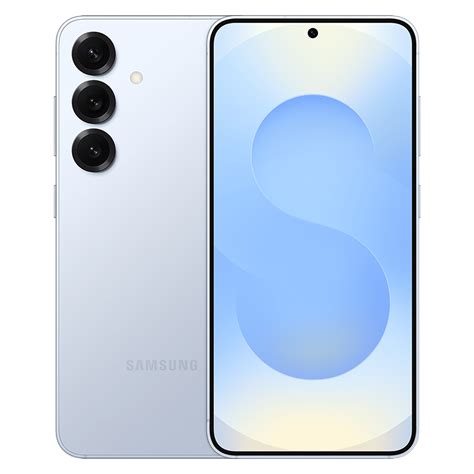
By contrast, the Galaxy S26 leans into premium cues: more refined finishes, tighter tolerances, and a weightier feel that communicates higher quality. For buyers who prioritize a status device or prefer a more tactile, luxurious experience, the S26 feels more premium in the hand. For those who prioritize pocketability and low-stress daily use, the A57 and A37 deliver practical silhouettes that are less anxiety-inducing if bumped or set down on a café table.
Display: Readability and Media Consumption
All three phones present bright, color-rich OLED panels that handle streaming and web browsing well. The mid-range A-series panels tend to prioritize balanced color and longer battery life, which is helpful for extended reading or navigation. The S26's display typically pushes higher peak brightness, finer color calibration, and faster refresh rates that make animations feel smoother — a real plus for gaming and scrolling-heavy social feeds.

In everyday sunlight, buyers will notice the S26 maintains legibility at higher angles and under direct sun, while the A57 and A37 remain competent but may require slightly higher brightness settings. For users who primarily read long-form text or watch the occasional show during commutes, the A57 and A37 are perfectly adequate. For those who watch HDR content frequently or want the smoothest UI transitions, the S26 retains an edge.
Performance: Apps, Multitasking, and Gaming
Performance in mid-range devices is optimized for the most common tasks: messaging, social media, navigation, and casual gaming. The Galaxy A57 and A37 handle these seamlessly. Multitasking between several apps — messaging, a web browser with multiple tabs, podcast audio — remains fluid in normal usage, though heavy sustained loads (long gaming sessions or video editing tasks) may reveal slower thermal management and occasional frame drops.
The S26 targets users who push phones harder. It typically offers more headroom for demanding games, longer periods of consistent GPU performance, and faster app launch times. For buyers who prioritize mobile gaming, media editing, or professional multitasking, the S26 provides a more consistent, snappier experience under sustained loads.
Discover deals on Mobile Phones — updated daily.
See Deals →Camera Experience: Consistency, Versatility, and Post-Processing
Photography is perhaps the most visible battleground. The A57 and A37 focus on delivering reliable, repeatable results in good light with sensible auto modes and software enhancements that appeal to casual photographers. They capture pleasing colors for social sharing and handle daylight portraits well. Low-light performance is improved compared with older mid-range models, but users will notice more aggressive noise reduction and less detail preservation compared to flagships.
The S26 aims for advanced computational photography: improved dynamic range, cleaner low-light exposures, more natural skin tones, and additional lenses or higher-quality sensors that expand versatility. In mixed indoor lighting, the S26 is more likely to produce a usable image straight out of the camera where a mid-range model needs a second shot or relies on a night mode with longer shutter times. For family memories, travel photography, and once-in-a-lifetime moments, the S26 provides a higher success rate for keepers.
Battery Life and Charging Habits
Battery endurance often dictates real-world satisfaction. The A57 and A37 typically balance battery capacity and software optimization to deliver a full day's use for most users — commuters, students, and casual power users will reach the evening with moderate use. Charging speeds on mid-range devices are adequate for overnight top-ups or short afternoon boosts, but the fastest wired or wireless charging remains a flagship advantage.
The S26’s efficiency under heavy use and support for faster charging protocols mean top-ups are quicker and the phone sustains better battery health over prolonged heavy workloads. For travelers or professionals who rely on rapid charging between meetings, the S26’s charging approach reduces anxiety about low-battery moments.
Software and Long-Term Updates
Software is a pragmatic consideration: security updates, OS upgrades, and the manufacturer’s commitment to support impact longevity and resale value. Historically, flagship models receive longer OS update commitments and more timely security patches. The A-series commonly receives fewer major OS upgrades than flagship lines, but still adequate support for typical buyers. For those who plan to keep a device for many years, the S26 offers more confidence in continued feature updates and security maintenance.
Comparison Table
| Category | Galaxy A57 | Galaxy A37 | Samsung Galaxy S26 |
|---|---|---|---|
| Positioning | Upper mid-range, value-focused | Mid-range, budget-conscious | Flagship, premium experience |
| Display | OLED, balanced color and battery trade-offs | OLED/LCD options, practical for media | Top-tier OLED, higher brightness and refresh |
| Performance | Smooth for daily apps, occasional limits under heavy load | Capable for everyday tasks, best for light users | High-performance SoC, sustained heavy workloads |
| Camera | Good daylight shots, improved low-light but limited detail | Reliable for social shots, less versatile lenses | Flagship-grade sensors and processing; better low-light and dynamic range |
| Battery & Charging | Full-day use for most, moderate charging speeds | Good endurance for light-to-moderate use | Better efficiency under load and faster charging options |
| Software Updates | Solid support, fewer major OS updates than flagships | Basic security updates and periodic feature updates | Longer update window and priority for new features |
| Best For | Value-conscious users wanting a modern experience | Budget buyers, first-time smartphone upgraders | Power users, mobile photographers, and buyers who keep phones long-term |
Pros & Cons
Galaxy A57 — Pros & Cons
- Pros: Balanced design and comfortable one-handed use; solid everyday performance for apps and media; dependable battery life for a workday; good daylight camera results for social sharing; friendly price-to-feature ratio.
- Cons: Limited headroom for sustained heavy gaming or editing; low-light photos less detailed than flagship alternatives; software update window typically shorter than flagship models.
Galaxy A37 — Pros & Cons
- Pros: Affordable and practical for daily tasks; compact and lightweight; simple, reliable camera for casual photography; suitable for first-time upgraders or as a secondary phone.
- Cons: Lower performance ceiling for multitasking; fewer premium materials and finishes; less versatile camera system and fewer advanced shooting modes.
Samsung Galaxy S26 — Pros & Cons
- Pros: Premium build and refined ergonomics; top-tier display with better brightness and smoother refresh; stronger sustained performance for gaming and productivity; superior camera system for difficult lighting and important shots; longer software support.
- Cons: Higher price that may be hard to justify for casual users; heavier or larger than some mid-range options; advanced features may be underused by buyers who only need basic phone capabilities.
Buying Guide: Which Phone Fits Which Buyer?
1. The Budget-Conscious Prioritizing Value
Buyers who seek the most sensible balance of features and price should look closely at the Galaxy A57 and A37. These devices deliver core smartphone experiences — messaging, social apps, navigation, and media consumption — without premium price tags. If the primary use cases are commuting, casual photography for social feeds, and everyday productivity (email, calendar, video calls), the A57 and A37 both satisfy those needs with minimal compromise.
2. The Mobile Photographer and Memory Keeper
For those who treat the phone as the primary camera for vacations, family events, and important life moments, the Galaxy S26 is the safer bet. Its stronger low-light performance, broader dynamic range, and more reliable image processing increase the likelihood of keepable photos in varied situations. Buyers who value camera versatility — optical zoom, better ultrawide, and more dependable portrait modes — will appreciate the reduced need for retakes.
Discover deals on Mobile Phones — updated daily.
View Offers →3. The Power User: Gaming, Multitasking, and Longevity
People who push phones with long gaming sessions, productivity apps, and frequent multitasking should favor the S26. The sustained performance, thermal management, and longer software support translate into a smoother experience over the device’s lifetime. Even for users who don’t need every flagship feature, the long-term value of extended updates and consistent performance can tip the scale.
4. The Casual User or First-Time Upgrader
If simplicity, affordability, and straightforward use are priorities, the Galaxy A37 is an excellent choice. It handles everyday tasks with ease, preserves battery throughout a normal day, and provides an approachable price point for first-time smartphone buyers or those upgrading from older hardware.
5. Considerations Beyond Specs
- Warranty and Service: Factor in local service and warranty policies — mid-range devices often have similar service options, but flagship models sometimes benefit from expedited support or additional perks.
- Accessories and Case Choices: Practical buyers should budget for protective cases and screen protection; mid-range phones are often paired with affordable third-party accessories, while flagship devices may have premium accessory ecosystems.
- Carrier Deals and Trade-Ins: Promotions can influence value perception. Evaluate net cost over time rather than headline price alone.
- Software Ecosystem: Consider whether the buyer already uses accessories or services tightly integrated with a platform — continuity features may sway the decision toward a flagship.
Conclusion
In a blind-test style practical comparison, the Galaxy A57 and Galaxy A37 deliver strong value for everyday needs: they are capable, reliable, and designed to minimize buyer regret for routine use. They satisfy most users who want dependable cameras, solid battery life, and smooth app performance without the premium cost.
The Samsung Galaxy S26, however, elevates the experience in meaningful ways where it matters: sustained performance for heavy users, more consistent camera results across lighting scenarios, a brighter and smoother display, and a longer software support horizon. For buyers who prioritize photographic quality, long-term software updates, or the smoothest possible performance, the S26 is the better long-term investment.
Ultimately, "which is actually better" depends on priorities. For budget-conscious buyers and casual users, the A57 and A37 are better choices because they deliver what most people need at a lower cost. For those who value premium experience, camera reliability for important moments, and longer-term software peace of mind, the Galaxy S26 is better aligned with those goals. The decision should reflect which everyday use cases matter most to the buyer rather than raw flagship allure alone.