Downshifter 13 Running Shoe Specs, Features, and Value: Is it worth the price tag?
The athletic footwear industry is often characterized by high-stakes marketing and flagship models that cost hundreds of dollars. For many enthusiasts, the search for a reliable daily trainer doesn’t lead to the ultra-expensive carbon-plated marathon shoes, but rather to the entry-level staples that offer consistent performance without breaking the bank. The Downshifter series has long been a cornerstone of this "value" segment. With the release of the Downshifter 13, the focus remains on accessibility, durability, and a simplified design philosophy. This article explores whether this budget-friendly option can compete in a market increasingly dominated by complex technologies and rising price points.
The "Electronics" category of modern consumer life often overlaps with wearables and performance gear, as the design of contemporary running shoes relies heavily on biomechanical data and precision engineering. While the Downshifter 13 doesn't feature an onboard computer or GPS sensors, its construction is the result of digital modeling aimed at optimizing energy return and weight distribution. For the casual runner, the gym-goer, or the person looking for a versatile everyday sneaker, identifying the true value of these engineering choices is essential before making a purchase.
Specifications and Technical Overview
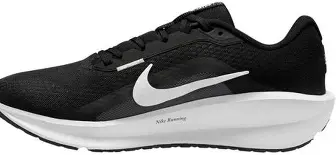
Understanding the Downshifter 13 starts with its structural blueprint. Unlike premium models that utilize exotic foams or rigid plates, the 13 relies on tried-and-true materials refined for modern standards. The midsole is composed of a full-length foam that is noticeably softer than previous iterations. This shift toward a more compliant cushioning system is a direct response to consumer feedback requesting better impact protection during road runs.
The upper consists of a multi-layered mesh designed for breathability. This is a critical feature for any running shoe, as heat management is directly tied to foot comfort and the prevention of blisters. The mesh is tighter in high-wear areas like the toe box to prevent premature tearing, while remaining open across the midfoot to allow airflow. The lacing system is traditional, utilizing a webbed overlay that helps pull the upper flush against the foot, providing what many reviewers describe as a "locked-in" feel.
On the outsole, the Downshifter 13 features a high-abrasion rubber compound. The tread pattern is a generative design—a computer-calculated layout that places more grip where the foot naturally strikes and pushes off. This use of data-driven design demonstrates how even budget-friendly gear benefits from the same technological advancements found in top-tier athletic equipment. The shoe typically weighs in at approximately 10 ounces for a men's size 10, making it lightweight enough for quick intervals but substantial enough for long walks.
Detailed Feature Analysis: What Makes it Tick?
Midsole Cushioning and Ride Quality
The heart of any running shoe is the midsole. In the Downshifter 13, the foam is designed to be "inclusive." This means it isn't tuned specifically for elite speed but for a variety of paces. Whether walking through an airport or jogging a 5K, the foam provides a balanced platform. It lacks the "bouncy" or "springy" sensation of Pebax-based foams found in elite shoes, but it offers a predictable, stable ride that many beginners find more comforting than the unstable, high-stack heights of maximum-cushion models.
Upper Construction and Fit
One of the most significant updates in the 13th version is the integration of a midfoot fit band. Visible beneath the mesh, this internal structure wraps around the arch. When the laces are tightened, the band applies even pressure, reducing the side-to-side "sloshing" that can occur in cheaper shoes. This feature is particularly useful for those with narrow to medium-width feet. The heel collar and tongue are moderately padded, avoiding the "over-stuffed" look while ensuring there is no friction against the Achilles tendon.
Durability and Outsole Longevity
Buyers in the budget category are often most concerned with how long the shoe will last. The outsole of the Downshifter 13 uses a significant amount of rubber covering the foam. Many manufacturers save weight by leaving the foam exposed to the road, which leads to rapid wear. By opting for a nearly full-coverage rubber outsole, the Downshifter 13 is built to withstand 300 to 500 miles of use, depending on the runner’s gait and the surface type. The rubber also includes flex grooves that ensure the shoe bends at the natural pivot points of the foot.
Sustainability and Manufacturing
Modern consumers increasingly care about the environmental footprint of their purchases. The Downshifter 13 incorporates at least 20% recycled content by weight. This includes scraps from the manufacturing process and post-consumer waste. While this doesn't change the performance of the shoe, it aligns the product with contemporary electronics and consumer goods trends where "green" manufacturing is a measurable specification.
Pros and Cons: A Balanced View
No product is perfect, especially at a lower price point. It is important to weigh the trade-offs involved in choosing an entry-level trainer like the Downshifter 13.
Discover deals on Electronics — updated daily.
View Offers →- Pro: Exceptional Value. It offers a branded, engineered experience at a fraction of the cost of flagship models.
- Pro: Versatile Aesthetics. The sleek, minimalist design makes it suitable for casual wear, errands, or the gym, not just running.
- Pro: Lightweight Breathability. The updated mesh keeps the foot cool even during summer workouts or high-intensity gym sessions.
- Pro: Stable Platform. A wider base than previous models provides confidence for those who may have slight stability needs.
- Con: Minimal Energy Return. The foam is comfortable but lacks the "pop" required for serious speed work or competitive racing.
- Con: Basic Insole. The included sockliner is thin and glued in, making it less than ideal for runners who require custom orthotics.
- Con: Narrow Forefoot. While the midfoot is adjustable, the toe box can feel restrictive for those with wide feet.
Comparison with Market Competitors
To truly understand the value of the Downshifter 13, we must look at how it stacks up against other shoes in the same category. Consumer electronics and gear are often judged by their "feature-per-dollar" ratio. The following table compares the Downshifter 13 to other common entry-level running shoes.
| Feature | Downshifter 13 | Generic Big Box Trainer | Mid-Tier Daily Trainer |
|---|---|---|---|
| Primary Use | Casual running / Gym / Daily walking | Walking / Occasional use | High-mileage training / Racing |
| Cushioning Type | Refined EVA Foam | Basic Compressed Foam | Specialty Nitrogen-Infused Foam |
| Outsole Material | Full-length Abrasion Rubber | Partial Rubber / Exposed Foam | Proprietary High-Grip Compounds |
| Breathability | High (Multi-layer Mesh) | Medium (Single-layer Mesh) | Optimized (Engineered Knit/Mesh) |
| Price Bracket | $70 - $80 | $30 - $50 | $130 - $160 |
Real-World Use Cases
Data sheets and spec lists tell one story, but daily use tells another. Prospective buyers usually fall into three camps, and the Downshifter 13 serves each differently.
The New Runner
For someone just starting a "Couch to 5K" program, the Downshifter 13 is nearly perfect. Beginners often don't know what their foot strike pattern is or what level of cushioning they prefer. Spending $160 on a shoe that might be too soft or too firm is a gamble. The Downshifter 13 provides a "neutral" baseline. It protects the joints from the concrete while allowing the runner to build foot strength.
The Gym Enthusiast
In a gym setting, "running" is often limited to a 10-minute warm-up on the treadmill followed by weightlifting or HIIT (High-Intensity Interval Training). The Downshifter 13 excels here because it is lower to the ground than "max-cushion" shoes. This lower stack height provides better stability during squats or overhead presses, where a "mushy" shoe might cause the ankles to wobble.
The Everyday Commuter
Many buyers care less about "splits" and more about how their feet feel after standing for eight hours. The understated design of the Downshifter 13 allows it to blend in with jeans or scrubs. The lightweight nature reduces leg fatigue during long shifts, and the durable rubber outsole ensures the shoe doesn't slip on waxed hospital or office floors.
Buying Guide: Is the Downshifter 13 Right for You?
Before purchasing the Downshifter 13, consider the following technical factors that influence the "Electronics" of footwear—the way the shoe interacts with human motion.
Size and Fit Considerations
Athletic shoes often run smaller than dress shoes. For the Downshifter 13, it is generally recommended to go up a half size from your standard measurement. Because the mesh is structured to provide support, it does not stretch as much as a knit-upper shoe would. Ensure there is roughly a thumbnail’s width of space between your longest toe and the front of the shoe to allow for foot swelling during exercise.
Surface Architecture
Where you plan to use the shoe is vital. The Downshifter 13 is an "all-road" shoe. This means it is designed for pavement, synthetic tracks, and treadmills. If your use case involves technical trails with rocks, mud, and uneven roots, the Downshifter 13 will likely fail to provide enough grip or lateral protection. For urban environments, however, the tread pattern is optimized for moisture dispersion and traction.
Gait and Arch Support
The Downshifter 13 is a neutral shoe. This means it is designed for people with "normal" arches or those whose feet do not roll excessively inward (overpronation). If you know you have flat feet and require "stability" features such as medial posts or dual-density foam, the Downshifter may not provide enough support for long runs. However, for neutral runners, the lack of these intrusive features keeps the shoe light and flexible.
Find top-rated Electronics products at great prices.
Browse Now →Budget vs. Performance
Calculate your cost-per-mile. If the Downshifter 13 costs $70 and lasts for 350 miles, you are paying approximately 20 cents per mile. A high-end $200 shoe might last 400 miles, costing 50 cents per mile. If your goal is health and fitness rather than qualifying for the Boston Marathon, the financial efficiency of the Downshifter 13 is difficult to ignore.
The Evolution from Downshifter 12 to 13
Incremental improvements are the hallmark of successful technical products. The transition from the 12 to the 13 isn't a radical redesign, but a series of refinements. The midsole in the 13 is slightly broader, providing a more stable footprint. The internal midfoot band has been redesigned to be less intrusive while providing more tension. Additionally, the tongue has been adjusted to stay centered, addressing a common complaint in the previous model where the tongue would slide to the side during runs.
These small changes represent a "Quality of Life" update that users of technical gear will appreciate. It shows that the manufacturer is listening to consumer data and making iterative changes rather than simply changing the colorway and calling it a new model. This philosophy is similar to how smartphone manufacturers release "S" versions of their hardware—fixing the small bugs of the previous generation to provide a more polished experience.
The Price Tag: Assessing the Verdict
When asking if a product is worth the price tag, one must define what that price buys. In the case of the Downshifter 13, the price buys a reliable, entry-level piece of performance equipment. It is not "cheap" in a way that suggests poor quality; rather, it is "affordable" because it chooses simplicity over gimmicks.
The shoe does not have carbon fiber, it does not have air-filled pods, and it does not have a computerized lacing system. Instead, it has a well-shaped piece of foam, a breathable mesh upper, and a durable rubber outsole. For the vast majority of people—who are not professional athletes but individuals trying to stay active—these three components are all that is truly necessary.
The value of the Downshifter 13 lies in its honesty. It doesn't pretend to be a racing shoe. It positions itself as a dependable tool for the everyman. In an era where "lifestyle" sneakers often cost $150 despite having no technical features at all, a $70-80 shoe that is actually engineered for the stresses of running represents a significant bargain.
Conclusion
The Downshifter 13 stands out as a testament to the idea that effective engineering doesn't always have to be expensive. By utilizing modern mesh materials, generative outsole designs, and refined foam chemistry, the shoe provides a high-quality experience for runners and walkers alike. It manages to bridge the gap between "cheap" department store footwear and "pro-level" trainers that are overkill for the average user.
For those looking for a versatile shoe that can navigate the treadmill, the sidewalk, and the grocery store without compromise, the Downshifter 13 is an excellent candidate. Its pros—primarily its price, weight, and durability—far outweigh the cons for the casual user. While a competitive marathoner might look elsewhere for their racing day needs, the millions of people who just need a solid pair of shoes for their morning jog will find exactly what they are looking for. The price tag is not just fair; it is one of the most competitive in the current market, making the Downshifter 13 a highly recommended "buy" for the budget-conscious consumer who refuses to sacrifice performance.