The Truth About the Apple Iphone 17 Pro: Pros, Cons, and Verdict
Category: Mobile Phones
Introduction
The Apple iPhone 17 Pro arrives as another marquee release in Apple's flagship lineup, positioned for buyers who expect cutting-edge performance, a refined camera system, and the tightly integrated iOS experience. For shoppers weighing an upgrade or choosing between premium phones, the iPhone 17 Pro raises familiar questions: how much better is it than the previous generation, where does it excel in real-world use, and are its changes meaningful enough to justify the price? This article offers an in-depth editorial look at the iPhone 17 Pro—covering design, performance, battery life, cameras, software, durability, and value—so potential buyers can decide with context rather than marketing blurbs.
In-Depth Review and Analysis
Design and Build
Apple continues to prioritize a premium feel. The iPhone 17 Pro keeps the pro-oriented aesthetic—matte metal frame, flat edges, and a slightly textured back—while introducing small refinements meant to improve ergonomics and durability. The device balances weight and hand-feel so long sessions of holding or single-handed use are comfortable for many users, though those who prefer ultralight phones will still notice the heft typical of flagship materials.
Practical considerations matter: the buttons, mute switch, and alignment feel precise, and the device fits standard pockets and mounts in most car docks. For users who rely on physical accessories, the iPhone 17 Pro preserves the accessory ecosystem (cases, MagSafe accessories) that buyers expect from Apple, which can be a major convenience for long-term ownership.
Display
The iPhone 17 Pro features a high-quality OLED display with excellent peak brightness for outdoor visibility and deep blacks for content consumption. Apple’s color tuning continues to favor natural tones, which benefits photographers, editors, and everyday users who prefer accurate reproduction over oversaturated color palettes. The adaptive refresh rate delivers smooth scrolling and responsive user interface animations while conserving battery in less demanding scenarios.
For media consumption and gaming, the display is more than adequate: text is sharp, HDR content pops, and the touch response is responsive enough for competitive mobile gaming and fluid productivity gestures.
Performance and Hardware
Performance remains a core selling point. Apple’s custom silicon—optimized for iOS—provides fast app launches, reliable multitasking, and strong single-core performance that benefits many everyday tasks. Real-world use shows the iPhone 17 Pro handling demanding workflows like video editing, high-frame-rate gaming, and augmented-reality applications with ease. Thermal management and sustained performance are improved compared with earlier designs, though under prolonged heavy loads the device will still throttle to balance heat and battery life.
Storage options and memory capacity reflect pro-level expectations; however, buyers who need extensive local media libraries or raw footage storage should review storage tier pricing carefully as higher-capacity models carry a premium.
Camera System
Camera upgrades remain a headline feature for the Pro models. The iPhone 17 Pro focuses on improving low-light capture, computational photography, and telephoto capabilities. In everyday photography—portraits, landscapes, and snapshots—the camera produces natural-looking images with solid dynamic range. Night mode and automatic computational enhancements reduce the need for manual adjustments for most users.
For photo enthusiasts and creators, the iPhone 17 Pro provides flexible shooting modes and improved RAW workflows via the native camera app and third-party editors. Video capture continues to be a strength: stabilization, color science, and frame-rate options make it a dependable choice for creators who prefer mobile-first production.
Battery Life and Charging
Battery life on the iPhone 17 Pro is competitive with other premium devices. For mixed usage—messaging, streaming, navigation, photography, and light gaming—most users will comfortably get through a full day. Power users who push the phone with sustained video recording, constant gaming, or heavy navigation may find themselves topping up before nightfall.
Discover deals on Mobile Phones — updated daily.
Shop Amazon →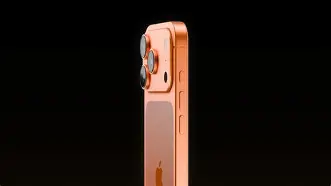
Charging behavior depends on the charging ecosystem: wired fast charging and wireless charging remain supported. MagSafe-style magnetic wireless accessories offer convenience, though they are not necessarily faster than wired options. The device supports power management features in iOS that help preserve battery health over multi-year ownership.
Software and Ecosystem
iOS is a defining part of the iPhone experience. The iPhone 17 Pro benefits from Apple's software optimizations: fluid system animations, a predictable update cadence, and integration with Apple services and accessories. For users invested in the Apple ecosystem—Apple Watch, iPad, Mac, and AirPods—the experience is cohesive: continuity features like Handoff, Universal Clipboard, and device syncing simplify multi-device workflows.
Privacy and security features continue to be prominent in Apple’s messaging. For users who prioritize regular OS updates and long-term software support, Apple’s track record is a strong selling point relative to many Android manufacturers.
Durability, Repairability, and Practical Considerations
Durability is adequate for daily life: water and dust resistance ratings help protect against accidents, and the glass finish resists minor scratches with a case. However, like all modern smartphones, drops onto hard surfaces can still cause damage—buyers should factor in case and screen-protector choices. Repairability has improved incrementally industry-wide, but professional repair costs can still be significant, especially for screens and rear-camera arrays.
Other real-world considerations include cellular modem performance, Wi-Fi stability, and call quality. These tend to be solid on Apple’s Pro devices, but coverage and performance always depend on carrier networks and local conditions.
Pros & Cons
- Pros
- Strong, consistent performance across everyday and professional tasks
- Excellent camera system for stills and video with reliable computational photography
- High-quality OLED display with adaptive refresh for smooth visuals
- Tight software and ecosystem integration for multi-device workflows
- Predictable long-term software support and timely updates
- Premium build quality and refined ergonomics
- Cons
- Premium price; higher storage tiers significantly increase cost
- Battery life is good but may not satisfy the heaviest power users without daily charging
- Limited hardware customization compared with some Android rivals (no expandable storage, single external port options)
- Repair costs can be high for out-of-warranty damage
- Some incremental improvements may feel evolutionary rather than revolutionary for owners of very recent iPhone models
Comparison Table
The table below highlights how the iPhone 17 Pro stands in common buyer-focused categories versus a previous-generation iPhone and a general leading Android flagship. This high-level comparison is meant to show where trade-offs typically fall for buyers deciding between continuity with Apple or switching platforms.
| Category | iPhone 17 Pro | Previous Gen (iPhone 16 Pro) | Leading Android Flagship (example) |
|---|---|---|---|
| Design & Build | Refined premium materials, improved ergonomics | Premium, slightly older frame and finish | Premium, often larger and heavier with varied materials |
| Display | High-brightness OLED, adaptive refresh rate | High-quality OLED, slightly lower peak brightness | Top-tier OLED with aggressive refresh and HDR tuning |
| Performance | Top-tier Apple silicon, strong single-core and GPU | Very capable, incrementally less fast | Competitive multi-core performance, different optimization profile |
| Camera | Advanced computational imaging, improved low-light and telephoto | Excellent camera, fewer computational refinements | Excellent sensors, often more manual controls and zoom versatility |
| Battery | Full-day mixed use for most users | Comparable, slightly lower endurance in heavy use | Varies; some Android flagships prioritize larger batteries |
| Software & Updates | iOS with long-term updates and seamless Apple ecosystem | Same software model, fewer future-major update years | Android with manufacturer-dependent update cadence |
| Price Position | Premium flagship pricing | Can be found discounted after successor launch | Premium to ultra-premium; sometimes better deals on features per dollar |
Who Should Consider the iPhone 17 Pro?
Different buyers have different priorities. The iPhone 17 Pro is a strong match for:
- Existing Apple ecosystem users: Those who already use a Mac, iPad, Apple Watch, or AirPods will find continuity features and cross-device convenience compelling.
- Mobile creators: People who shoot and edit photos or video on their phone will appreciate camera improvements and on-device editing performance.
- Professionals needing reliable performance: Users who rely on fast app performance, secure updates, and consistent behavior for productivity workflows.
- Buyers who value software longevity: Those who want multi-year software support and predictable updates are likely to prefer Apple’s model.
Conversely, buyers who prioritize the absolute best battery endurance per dollar, more hardware customization (expandable storage, alternative OS experiences), or the lowest price for comparable hardware might find Android alternatives more attractive.
Buying Guide: How to Decide
Choosing the right phone is less about raw specs and more about matching a device to real-world usage. The following guide outlines the main decision factors and concrete questions buyers should ask themselves before committing.
1. Define Primary Use Cases
Consider how the phone will be used day-to-day. Common profiles include:
Discover deals on Mobile Phones — updated daily.
See Deals →- Casual user: Calls, messaging, social media, and media streaming—prioritize battery life and value.
- Power user: Multitasking, productivity apps, and frequent travel—prioritize performance and reliable connectivity.
- Creator: Photo and video capture, editing, and publishing from the device—prioritize camera capabilities and storage options.
- Longevity buyer: Keep the phone for several years—prioritize software updates and build quality.
2. Evaluate Budget vs. Value
Flagship phones are significant investments. Buyers should:
- Decide on an upper budget and evaluate storage tiers within that limit.
- Factor in the cost of accessories (cases, chargers, additional storage alternatives like cloud plans).
- Consider trade-in or resale value if planning regular upgrades—Apple devices often retain value better than many competitors.
3. Consider Ecosystem and Interoperability
Moving between ecosystems can be costly in time and accessories. For those with Macs, iPads, or an Apple Watch, the iPhone 17 Pro offers seamless interactions (continuity, Handoff, cross-device notifications). For users who rely heavily on Google services or prefer broader hardware variety, an Android option may fit better.
4. Test Real-World Battery and Camera Behavior
Battery benchmarks and camera specs are useful, but hands-on behavior matters. When possible, try a device in a store or read long-form reviews and user reports that focus on multi-hour usage, low-light camera samples, and sustained performance for gaming or recording.
5. Assess Longevity and Support
Check the manufacturer’s software update policy and typical update cadence. Long-term security and feature updates can make an initially pricier phone more economical over several years.
6. Think About Repair and Insurance
Consider the likely repair costs and whether an extended warranty or insurance plan fits the budget. Damage-protection plans make sense for users prone to accidental drops or those who avoid protective cases for aesthetic reasons.
Real-World Use Cases and What Buyers Care About
Everyday buyers care most about reliability and how the device fits into their routines. Here are typical scenarios and how the iPhone 17 Pro performs:
- Commuters: The phone delivers consistent signal performance, quick unlocks for transit apps, and a bright display for outdoor reading during daylight commuting.
- Parents: Ease of use, parental controls, and ecosystem syncing for photos and messaging are practical benefits.
- Mobile photogs: Quick HDR captures and improved night performance mean fewer retakes and less time in editing suites.
- Remote workers: Reliable video calls, fast app switching, and strong security for corporate accounts are notable advantages.
Verdict
The iPhone 17 Pro is a consolidated refinement of Apple’s pro-level smartphone formula. It excels in performance, camera versatility, display quality, and the Apple software ecosystem—areas that most buyers care about on a daily basis. For users deeply invested in Apple's ecosystem or those who prioritize photography and consistent long-term software support, the device represents a compelling choice.
However, it is not a dramatic overhaul. Buyers coming from the immediately previous generation may find the improvements incremental rather than transformative. The premium price and repair considerations also factor heavily into the total cost of ownership. Shoppers who prioritize extreme battery longevity, extensive hardware customization, or the most aggressive price-to-feature ratio may find better alignment with some Android competitors.
Ultimately, the iPhone 17 Pro is best seen as a strong, reliable flagship that emphasizes a balanced, polished experience over headline-grabbing gimmicks. For those who value integration, predictable software updates, and a camera system tuned for real-world use, it remains one of the most practical choices in the premium smartphone market.